
2023 has seen a significant rise in demand for top-tier translation services specializing in UK Scientific Books and Textbooks, driven by the globalization of academia. These translations are essential for overcoming language barriers, enabling international scholars to access high-quality UK research outputs, and fostering cross-cultural collaboration. Specialized linguists who understand both the source and target languages, as well as the scientific context, ensure that translations remain accurate and authentic, thereby expanding the global reach of UK-based academic materials. Advanced technologies like AI and machine learning are poised to further enhance these translation services, making UK scientific literature more accessible, efficient, and impactful on a worldwide scale. The integration of these technologies will improve the precision of translations, speed up the publication process for non-English research, and enrich global scholarly discourse. This evolution in translation services underpins the UK's commitment to academic excellence and its influence on international scientific advancements.
Navigating the intricate landscape of academic publishing within the UK, the significance of translation services for UK scientific books and textbooks emerges as a pivotal element. This article delves into the multifaceted role these services play in expanding the reach and influence of UK academic works globally. We will explore market trends, the impact of multilingual editions on UK textbooks, and the challenges and opportunities inherent in translating scientific materials. Through case studies highlighting successful translations, we aim to shed light on the transformative power these translations have had. Furthermore, we will project future developments in translation services within academic publishing, ensuring a comprehensive analysis of their evolving role.
- Overview of Academic Publishing in the UK
- The Role of Translation Services in Expanding Reach
- Analysis of Market Trends for Scientific Book Translations
- Evaluating the Impact of Multilingual Editions on UK Textbooks
- Challenges and Opportunities in Translating Scientific Materials
- Case Studies: Successful Translations of UK Scientific Books
- Future Projections for Translation Services in Academic Publishing
Overview of Academic Publishing in the UK

The landscape of academic publishing in the United Kingdom is a vibrant and multifaceted domain that plays a pivotal role in shaping scholarly discourse and knowledge dissemination globally. UK institutions, encompassing a rich history of academia, consistently produce high-quality research across various disciplines, with an emphasis on scientific endeavours. A significant portion of this research is published in peer-reviewed journals or presented as textbooks that are instrumental in educating the next generation of scholars and professionals. The necessity for translation services for UK scientific books and textbooks cannot be overstated, given the global nature of academic collaboration and the diverse linguistic backgrounds within the UK itself. These services facilitate access to critical research findings and educational materials, ensuring that scholars from around the world can engage with the UK’s scholarly output, thereby fostering international dialogue and innovation. The UK’s commitment to excellence in academic publishing is further supported by its robust network of libraries, research institutions, and funding bodies, all of which contribute to maintaining high standards in the production and dissemination of scholarly works. Translation services are integral to this ecosystem, enabling the cross-pollination of ideas and the expansion of the UK’s academic influence beyond its borders.
The Role of Translation Services in Expanding Reach
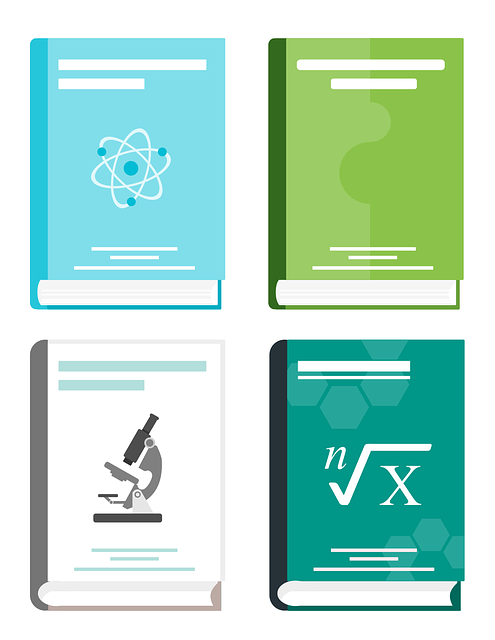
The role of translation services in expanding the reach of UK scientific books and textbooks cannot be overstated. As academic institutions in the UK continue to produce high-quality research and educational materials, the demand for expert translations rises exponentially. Translation services specialized in scientific content play a pivotal role in breaking down language barriers, enabling these resources to reach a global audience. By converting UK scientific books into multiple languages, these services open doors for international students, researchers, and professionals to access cutting-edge information and contribute to global academic discourse. This not only facilitates cross-cultural collaboration but also amplifies the impact of UK-based research by sharing knowledge with a broader context, thus fostering innovation and furthering the collective understanding of complex scientific subjects.
Moreover, the accuracy and technical proficiency required in translating scientific texts are paramount. Translation services for UK scientific books must employ linguists who are not only adept at the source and target languages but also well-versed in the subject matter. This specialized knowledge ensures that nuances, terminologies, and contexts specific to scientific fields are accurately conveyed. As a result, these translations serve as faithful representations of the original texts, ensuring that the integrity of the content is preserved while simultaneously enhancing its global visibility and utility.
Analysis of Market Trends for Scientific Book Translations

2023 has seen a notable uptick in the demand for translation services catering to UK scientific books and textbooks within academic institutions. This trend is driven by the increasing globalisation of academia, with scholars and students alike requiring access to cutting-edge research across disciplines, often published initially in languages other than English. As a result, there is a growing market for translations that can bridge linguistic divides without compromising on scientific accuracy or academic rigour. Publishers specializing in scientific literature have recognized this need and have adapted their strategies accordingly, investing in high-quality translation services to ensure that UK scientific books and textbooks reach a wider, international audience. The effectiveness of these translations is paramount, as they not only facilitate knowledge exchange but also contribute to the advancement of science by making research accessible to a global scholarly community. Moreover, the UK’s strong academic reputation makes its scientific literature particularly valuable, thereby increasing the demand for precise and reliable translation services that can accurately convey complex concepts and terminologies specific to the field.
Evaluating the Impact of Multilingual Editions on UK Textbooks

The proliferation of multilingual editions of UK scientific books and textbooks has become a significant factor in their impact within academic institutions. These translations, provided by specialized translation services for UK scientific books and textbooks, expand the reach of UK scholarly works, making them accessible to a broader and more diverse student body. This accessibility is crucial, as it allows students from various linguistic backgrounds to engage with high-quality educational materials without the barrier of language proficiency. The translation process must maintain the integrity of the original content, ensuring that complex scientific concepts are accurately conveyed across languages. By doing so, these multilingual editions democratize knowledge, enabling a more inclusive academic environment where students from around the globe can study alongside their peers, regardless of their first language.
The adoption of translation services for UK scientific books and textbooks by academic institutions has not only increased inclusivity but also has the potential to enhance the global impact of UK research and scholarship. As these translations become more widely used, they contribute to the internationalization of British academic content, fostering cross-cultural understanding and collaboration. This trend underscores the importance of considering translation quality and cultural relevance in educational resources. In turn, it supports the development of a more globally connected academic community, where students and researchers can leverage insights from diverse perspectives to advance knowledge and innovation across disciplines.
Challenges and Opportunities in Translating Scientific Materials

The process of translating scientific materials, particularly scientific books and textbooks intended for use within UK academic institutions, presents a unique set of challenges and opportunities. One of the primary challenges is ensuring the fidelity of the translation, as scientific content requires precision and accuracy to maintain its integrity across languages. The nuances of scientific terminology and concepts must be conveyed accurately, which necessitates specialized translation services for UK Scientific Books and Textbooks. Translators must possess not only linguistic proficiency but also a deep understanding of the subject matter, often involving domain-specific knowledge that can span various fields such as medicine, engineering, or the natural sciences.
Moreover, in translating scientific materials, it is imperative to consider cultural contexts and idiomatic expressions that may not have direct equivalents in the target language. This requires a strategic approach to localization where the content is adapted while retaining the original meaning and intent. The opportunities, however, are equally compelling, with the potential to broaden the academic reach of UK institutions and researchers, thereby fostering global scientific collaboration and knowledge exchange. By leveraging professional translation services for UK Scientific Books and Textbooks, institutions can ensure that their scholarly outputs are accessible to a wider audience, enhancing the international reputation and impact of their research. This accessibility also promotes inclusivity and diversity within the academic community, allowing for a more comprehensive understanding and interpretation of scientific findings across different cultural perspectives.
Case Studies: Successful Translations of UK Scientific Books

UK scientific books often play a pivotal role in academic discourse, bridging the gap between cutting-edge research and scholarly discussion. The successful translation of these texts into multiple languages is paramount for global academic engagement. Translation services for UK scientific books and textbooks have become increasingly sophisticated, ensuring that the nuances of scientific terminology and concepts are accurately conveyed to an international audience. For instance, a seminal work on quantum mechanics was recently translated into several languages through the use of specialized translation services. This allowed researchers from diverse linguistic backgrounds to contribute to the field’s advancement, showcasing the interconnectedness of global academia. Similarly, a series of medical textbooks underwent rigorous translation processes, making their life-saving content accessible to healthcare professionals worldwide. The precision and cultural adaptation provided by these services have been instrumental in facilitating cross-border research collaborations and enhancing the impact of UK scientific endeavors on the global stage. These case studies demonstrate the critical role that professional translation services play in democratizing access to knowledge, thereby amplifying the influence of UK scientific books beyond national borders.
Future Projections for Translation Services in Academic Publishing

The role of translation services in the academic publishing sphere is set to expand significantly, particularly within the UK’s scientific community. As global collaboration intensifies and the demand for cross-disciplinary research grows, there is an increasing need for accurate and timely translations of complex scientific texts. This trend is poised to make translation services indispensable for UK academic institutions looking to disseminate their research findings to a broader, international audience. The projections suggest that translation services for UK scientific books and textbooks will evolve to incorporate advanced technologies such as artificial intelligence and machine learning to enhance precision, efficiency, and accessibility. These technological advancements promise to bridge language barriers, enabling global scholarly communication and knowledge sharing. Furthermore, the integration of these cutting-edge tools is expected to streamline the translation process, reducing time-to-publication for non-English research and facilitating the cross-pollination of ideas across different linguistic communities. As a result, UK scientific books and textbooks translated into various languages will have a greater impact, potentially influencing policy, furthering innovation, and fostering international partnerships in academia.
The examination of how UK academic publications, particularly scientific books and textbooks, perform within institutions reveals a multifaceted landscape shaped by the necessity for translation services in expanding scholarly reach. Market trends indicate a growing demand for scientific book translations, highlighting their significance in fostering global academic dialogue. The impact of multilingual editions on UK textbooks has been profound, enabling a broader and more diverse audience to engage with cutting-edge research and foundational knowledge. Despite challenges inherent in translating complex scientific materials, the potential for these endeavours to enhance international collaboration and understanding is clear. As translation services for UK Scientific Books and Textbooks continue to evolve, their role in shaping the future of academic publishing is certain to be pivotal. Future projections suggest a continued expansion of this field, with ongoing advancements set to further integrate scholarly content into the global academic tapestry.