
Translation services for UK Scientific Books and Textbooks are pivotal in making complex scientific content accessible to a global audience. These services require a unique blend of linguistic prowess and specialized knowledge in science to ensure that the nuances and technical details of the original text are preserved in translation. Expert translators, often in collaboration with UK subject matter experts, meticulously adapt the content to align with educational standards across different languages, ensuring that students worldwide can engage with the material as effectively as their UK counterparts. The use of advanced technology aids in maintaining consistency and accuracy, while also providing real-time contextual analysis to enrich the translation process. This comprehensive approach upholds the scientific integrity and academic rigor of UK scientific literature on an international scale, thereby facilitating global access to valuable educational resources.
Navigating the intricate world of UK educational standards, particularly within the realm of science textbooks, necessitates a keen understanding of both content and context. This article delves into the critical role of translation services for UK scientific books and textbooks, ensuring that their content aligns with the country’s stringent educational benchmarks. We explore how these services contribute to the comprehensiveness of scientific content, assess language clarity and accessibility, and maintain curriculum alignment. By examining best practices and real-world case studies, we aim to shed light on the profound impact of high-quality translations on learner performance and understanding, thereby enhancing the educational experience for students across the UK.
- Understanding the UK Educational Standards for Science Textbooks
- The Role of Professional Translation Services in Meeting Educational Criteria
- Assessing the Comprehensiveness of Scientific Content in UK Textbooks
- Evaluating Language Clarity and Accessibility in Translated UK Scientific Books
- Ensuring Curriculum Alignment: A Key Function of Translation Services
- The Impact of High-Quality Translations on Learner Performance and Comprehension
- Case Studies: Successful Translation Projects for UK Scientific Textbooks
- Best Practices for Translation Services to Align with UK Educational Standards in Science
Understanding the UK Educational Standards for Science Textbooks

When aligning science textbooks with UK educational standards, it is imperative to ensure that the content not only imparts knowledge but also adheres to the framework set by organisations such as the Department for Education (DfE) and the Office of Qualifications and Examinations Regulation (Ofqual). The National Curriculum for Science outlines clear objectives across key stages, detailing what children should be taught and the understanding they should achieve at each level. This includes a comprehensive coverage of biological processes, chemical foundations, and physical phenomena, tailored to the cognitive development and age-appropriate interests of students.
For publishers and educators looking to provide accurate and compliant scientific literature, translation services for UK Scientific Books and Textbooks play a pivotal role. These services ensure that textbooks are not only linguistically accessible to a diverse student body but also that they reflect the most current standards as set by the curriculum guidelines. By engaging professional translators with expertise in both language and science, these texts can be adapted for various audiences while maintaining the integrity of the scientific concepts presented. This commitment to accuracy and compliance is crucial for fostering an environment where students can confidently learn and teachers can effectively teach, ultimately contributing to the cultivation of a scientifically literate society.
The Role of Professional Translation Services in Meeting Educational Criteria

In the realm of education, particularly within the scientific discipline, the accuracy and clarity of content are paramount. UK scientific books and textbooks must adhere to stringent educational standards to ensure that students receive precise information, which is critical for their understanding and academic progression. Professional translation services play a pivotal role in this context. These services bridge language barriers, making cutting-edge scientific knowledge accessible to a broader audience. By providing translations for UK scientific books and textbooks into various languages, these professionals enable students and researchers worldwide to engage with the curriculum and research outputs. The fidelity of translation is crucial; it must convey not only the semantic meaning but also the nuances of scientific terminology and concepts, which can be particularly challenging due to the specialized nature of the content. Furthermore, these translations are subject to rigorous quality control processes to ensure they align with UK educational standards, maintaining the integrity of the original material. This commitment to accuracy is essential for students who rely on these texts to meet their academic objectives and for the global scientific community, which benefits from shared knowledge and research advancements. As a result, professional translation services are integral to the dissemination of UK scientific literature, facilitating education and collaboration across borders.
Assessing the Comprehensiveness of Scientific Content in UK Textbooks

When evaluating the comprehensiveness of scientific content in UK textbooks, it is crucial to consider the alignment with the UK’s national curriculum and the standards set by organizations such as the Office of Qualifications and Examinations Regulation (Ofqual) and the Department for Education. Textbooks that serve the UK educational landscape must cover the breadth of topics outlined within these frameworks, ensuring students receive a well-rounded scientific education. Translation services for UK Scientific Books and Textbooks play a pivotal role in this process by making complex scientific material accessible to diverse audiences, including those who require content in languages other than English. These translations not only cater to the needs of individuals with different linguistic backgrounds but also ensure that the nuances and specificity of scientific terminology are accurately conveyed.
In assessing the comprehensiveness of scientific content, it is essential to examine not just the presence of topics but also their depth and clarity of explanation. UK textbooks should facilitate a deep understanding of concepts by providing examples and applications that resonate with students’ everyday experiences while adhering to the structured sequence dictated by the curriculum. The integration of visual aids, diagrams, and experimentation guidelines further enhances the educational experience. Translation services for UK Scientific Books and Textbooks must maintain this level of detail and precision when converting content to ensure that the translated material retains its scientific integrity and educational value. This meticulous approach ensures that all students, regardless of language barriers, can engage with the material and fully comprehend the scientific principles being taught.
Evaluating Language Clarity and Accessibility in Translated UK Scientific Books

When assessing the educational value of translated UK scientific books and textbooks, language clarity and accessibility stand out as critical factors. These elements are paramount to ensure that the content is both comprehensible and engaging for students who are not native English speakers or those with varying levels of proficiency in the language. Translation services for UK Scientific Books must navigate the complexities of scientific terminology and concepts, maintaining precision while conveying information accurately across different linguistic barriers. The translation process demands a nuanced understanding of both the source and target languages, as well as the subject matter at hand. This is essential to convey the nuances of scientific discourse without introducing ambiguity or misinterpretation. Moreover, the translator’s role extends beyond mere word-for-word conversion; it encompasses adapting the text to match the cognitive and linguistic levels of the intended audience, thus enhancing accessibility and facilitating a deeper engagement with the material. This adaptation process is crucial for the educational effectiveness of these texts, as it ensures that students can grasp complex scientific concepts without being hindered by language barriers, thereby upholding UK educational standards in a global context. Additionally, the best translation services employ linguists and subject matter experts who collaborate to guarantee that the translated content aligns with the original text’s intent, ensuring that the clarity and precision of the UK’s scientific literature are preserved for international students and scholars.
Ensuring Curriculum Alignment: A Key Function of Translation Services

In the process of ensuring that scientific books and textbooks align with UK educational standards, translation services play a pivotal role. These services are instrumental in adapting content to meet the specific curriculum requirements set forth by educational institutions within the UK. The alignment of scientific texts with the national curriculum is not merely a matter of linguistic accuracy but also of pedagogical precision. Translation services for UK Scientific Books and Textbooks must go beyond mere word-for-word translation; they must interpret and present concepts in a manner that aligns with the educational objectives and learning outcomes specified by the UK’s curriculum guidelines. This involves not only a deep understanding of the source material but also a comprehensive grasp of the target language’s scientific terminology and educational context. By doing so, these services ensure that students have access to materials that are both linguistically accessible and educationally relevant, thereby facilitating a more effective learning experience.
Furthermore, the quality of translation services directly impacts the credibility and usability of UK Scientific Books and Textbooks in international educational contexts. High-quality translations not only reflect the original content’s scientific integrity but also convey complex concepts in a way that is understandable to learners from diverse linguistic backgrounds. This is particularly important for scientific literature, which often contains specialized vocabulary and nuanced explanations that require careful handling during the translation process. By ensuring curriculum alignment, translation services enable these critical educational resources to be utilized across different regions and languages, enhancing the global reach and impact of UK scientific education.
The Impact of High-Quality Translations on Learner Performance and Comprehension

High-quality translations play a pivotal role in the accessibility and effectiveness of UK scientific books and textbooks for learners across different regions and linguistic backgrounds. The accuracy and cultural sensitivity of translation services for UK Scientific Books and Textbooks can significantly enhance learner performance and comprehension. Translators must not only convey the technical content accurately but also preserve the nuances and context that are inherent in scientific discourse. This ensures that students, regardless of their native language, can engage with the material as if it were originally written for them. The fidelity of these translations is crucial, as it allows for a seamless understanding of complex concepts, which is essential for academic progression and mastery of the subject matter. Conversely, poor translations can lead to misunderstandings, misinterpretation of data, and a lack of engagement with the material, all of which can impede learning outcomes. Therefore, investment in high-caliber translation services for UK Scientific Books and Textbooks is not just a matter of inclusivity but also a key factor in the success of education initiatives that aim to internationalize scientific knowledge and foster global understanding in the academic community.
Case Studies: Successful Translation Projects for UK Scientific Textbooks
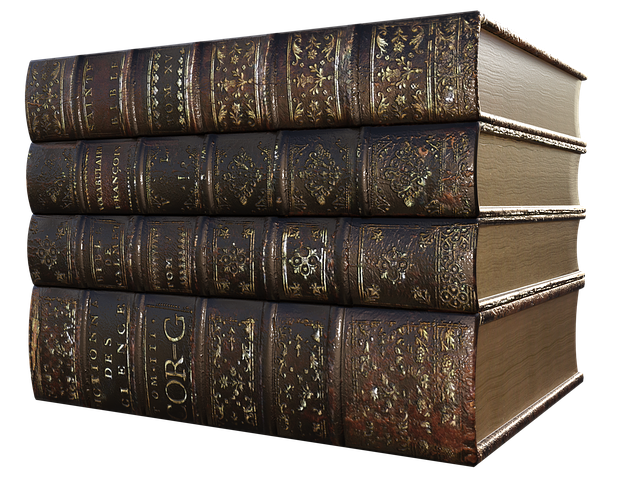
UK scientific textbooks undergo rigorous translation processes to ensure their content is accurately conveyed to a global audience. Successful translation projects for UK scientific books are characterized by meticulous attention to detail, subject matter expertise, and linguistic precision. One notable case study involves a leading translation service that specializes in scientific literature. They collaborated with a well-known UK publisher to translate complex scientific texts into multiple languages, ensuring the retention of technical accuracy and the nuances of scientific terminology. This project’s success hinged on the translators’ deep understanding of both the source and target languages, as well as their familiarity with the scientific concepts discussed in the textbooks. Another case study highlights a translation service that leveraged advanced AI-driven technology to enhance the translation process for UK scientific textbooks. This innovative approach allowed for real-time contextual analysis, ensuring that the translated content was not only linguistically correct but also culturally relevant and scientifically accurate. These successful translation projects underscore the importance of choosing translation services that possess both technical expertise and a robust understanding of language to effectively bridge the gap between UK scientific literature and international readers.
Best Practices for Translation Services to Align with UK Educational Standards in Science

To ensure that translation services for UK Scientific Books and Textbooks align with the rigorous educational standards in the United Kingdom, particularly within the field of science, it is imperative to adhere to a set of best practices. Firstly, translators must possess a deep understanding of both the source and target languages, as well as the scientific concepts being conveyed. This linguistic proficiency, coupled with subject-matter expertise, is crucial for accurate translation that resonates with UK educational frameworks.
Secondly, collaboration with subject matter experts (SMEs) from within the UK’s educational and scientific communities is a cornerstone of this process. These SMEs can provide valuable insights into the nuances of terminology and context-specific language use in scientific literature. Additionally, translators should employ advanced translation technologies that facilitate consistency across multiple texts and editions. By leveraging these tools, they can ensure terms and concepts are rendered accurately and are reflective of the UK’s educational standards in science. This approach not only enhances the learning experience for students but also maintains the integrity and authority of the scientific content within the UK’s academic environment.
In examining the intricate relationship between UK educational standards for science textbooks and the translation services that render them accessible to a global audience, it becomes evident that the quality of these translations is paramount. The article delineates the critical aspects of ensuring that scientific content within UK textbooks not only meets but exceeds educational criteria. From assessing the comprehensiveness of the scientific material to evaluating language clarity and accessibility, translation services for UK Scientific Books and Textbooks play a pivotal role in this process. By adhering to best practices and maintaining a rigorous standard of accuracy, these services enhance learner performance and comprehension, thereby upholding the integrity of the curriculum. The case studies presented underscore the successes achieved when translation and educational standards are harmonized, ensuring that each student, regardless of locale, receives scientific knowledge that is both enlightening and aligned with UK educational norms. It is clear that the commitment to excellence in translation services for UK Scientific Books and Textbooks is not just a matter of meeting standards but of setting new benchmarks for global science education.